A fractional CTO fits when you need senior technical judgement but not yet a full-time executive: before product-market fit, between tech leads, or when nobody owns architecture and security. Hire a full-time CTO once technology is a large, permanent part of the company and there is an engineering team to lead. The best fractional arrangements plan the handover from day one, with documentation, owned accounts and help hiring your successor.
Sooner or later, every company that depends on software has to answer the same question: who is in charge of the technology? For a founder without a technical co-founder, it comes up on day one. For a growing company, it comes up when the first developers are busy, the product is live, and nobody senior owns the decisions that will matter in two years.
The two usual answers are a full-time CTO or a fractional one. Both can be right. This guide is about telling which one fits your company now, and how to move from one to the other without losing anything on the way. We write it as a team that does this work: we act as a fractional CTO and technology partner from our offices in Toronto and Tel Aviv.
What a CTO actually does
The title means different things at different stages, which is part of why the decision is hard. Strip it down and a CTO owns five things:
- Technical direction. Which product gets built, on what architecture, in what order, and what is deliberately left out.
- Decisions that are expensive to reverse. Cloud platform, data model, core vendors, build or buy, and when to pay down technical debt.
- Risk. Security, backups, access control, privacy, uptime, and the answers to the security questionnaire a big customer sends.
- The team. Who to hire, how the work is organised, how code is reviewed and released, and how outside vendors are managed.
- Translation. Explaining technology to the founders, the board and investors in business terms, and explaining the business to the engineers.
Early on, most of this is judgement and very little is management. Later, management takes over. That shift is the key to the whole question.
Fractional or full-time: the real difference
A fractional CTO gives you senior judgement for part of the week. A full-time CTO gives you all of a person’s attention, plus a leader who is part of the company’s culture every day.
The judgement part rarely needs a full working week at the start. Choosing an architecture, reviewing a vendor proposal or planning a roadmap takes focused time from someone experienced, and then a team to execute. The management part does need a full-time person, once there is a team large enough to lead.
When a fractional CTO fits
- You are a founder turning an idea into a first product and need someone to make the technical calls with you.
- You have developers, but nobody senior owns architecture, security and the roadmap.
- Your previous agency, freelancer or tech lead has left, and you need someone to audit the code and take over.
- You face one big decision, a platform, a vendor or an AI tool, and want an independent view.
- You are not yet sure what kind of CTO the company will need in two years.
When it does not
- Technology is the core of the business and you already have a large engineering team to lead every day.
- You need someone in the office full time to build the engineering culture and own hiring.
- The company’s value depends on a technical leader investors know by name, as a founder or co-founder.
- You already have a strong CTO. In that case, what you probably need is extra capacity under their lead, such as a custom software development team.
What it looks like in practice: ibon
ibon is a platform for managing and monitoring companies in the food industry, with real-time inventory tracking, production lifecycle management and regulatory compliance. We were involved from the initial idea. In the words of the ibon story: “As CTOs, we’ve handled every aspect, overseeing the technology and development.”
The ibon system has been used by more than 80 Aroma branches, and Aroma has implemented it in every new branch it has built over the last three and a half years. DevDino is still actively used as ibon’s CTO.
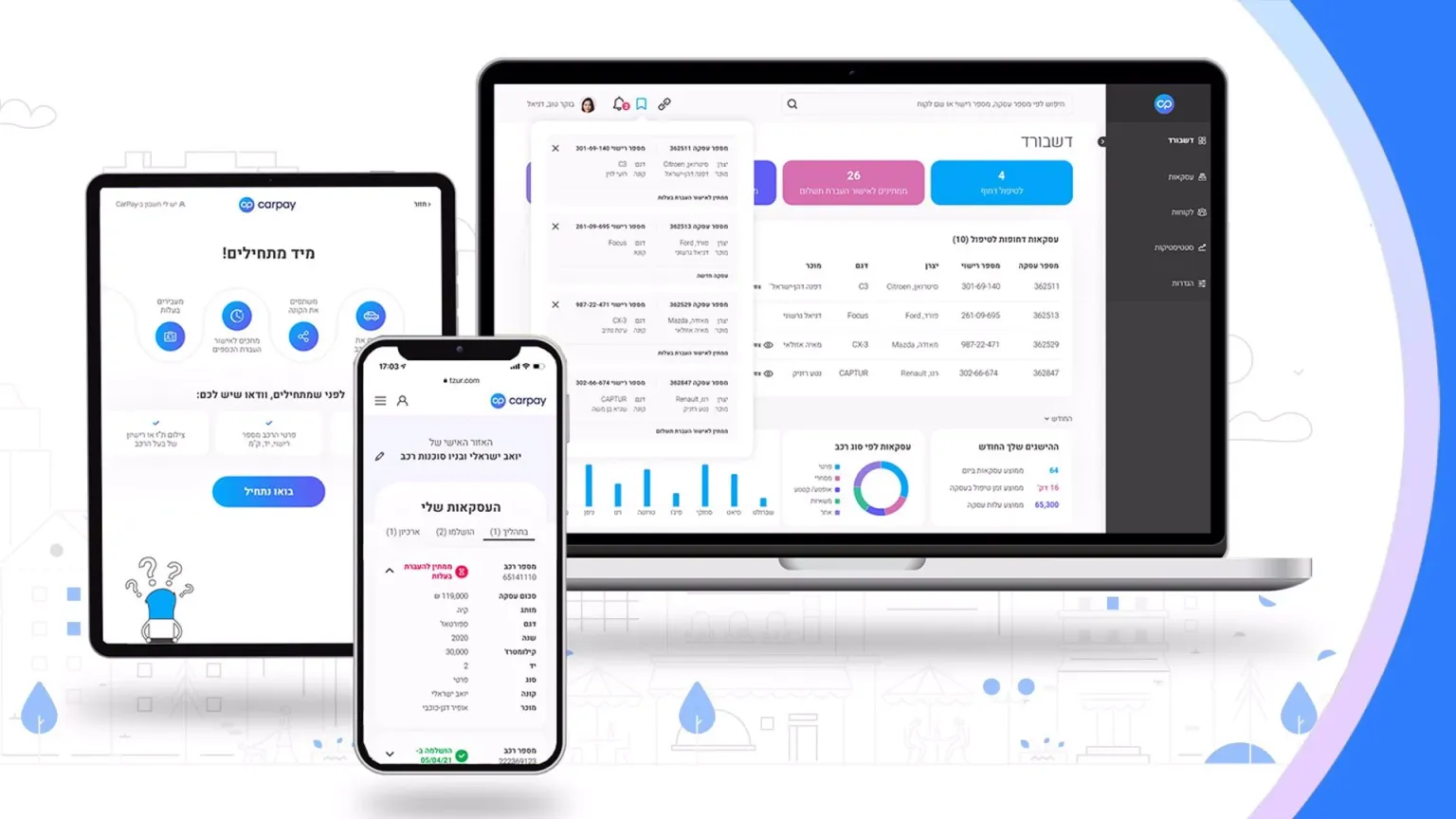
That is the fractional model working as intended. The founders got senior technical leadership from the first sketch, plus a team that built the product, without hiring a full-time executive before the business needed one. We play a similar role for Car Pay, a platform that makes buying and selling cars safer from fraud, where we are the development team and the tech backbone.
How the handover to a full-time CTO works
A fractional arrangement should be built to end well, even if it lasts for years. The handover starts on day one, not when the new hire arrives.
From the start:
- Code, cloud accounts, domains and third-party tools are in the company’s name.
- Architecture decisions are written down with the reasons behind them.
- Infrastructure is documented, and there is a runbook for the things that break.
When you decide to hire:
- The fractional CTO helps write the role, based on what the company actually needs next: a builder, a team leader or an executive.
- They join technical interviews and review candidates’ thinking on your real architecture.
- The new CTO gets a walkthrough of the codebase, infrastructure, vendors, costs and known risks.
- For an agreed period, both work in parallel. The fractional CTO answers questions and steps back as the new hire takes each area over.
- Afterwards, the fractional team can stay on as extra delivery capacity, or leave cleanly. The new CTO decides.
If a fractional CTO is reluctant to discuss this at the first meeting, take note.
Red flags
Whether you are hiring fractional or full-time, watch for these:
- The accounts are in their name. Repositories, cloud billing or domains owned by the CTO or their company rather than yours.
- No written decisions. Everything lives in one person’s head.
- Advice with no delivery, or delivery with no advice. Strategy decks that never ship, or a team that builds whatever it is told without pushing back.
- One stack for every problem. The answer is always the tool they already know or resell.
- Vague availability. You cannot get a straight answer on how much time you get, and who covers when they are away.
- No hard questions. A good CTO asks about your business model, your customers and your runway before your tech stack.
- No plan for their own exit. Nobody can describe how you would hand over to someone else.
Questions to ask a fractional CTO
- Who exactly will be our CTO, and will that person stay for the length of the engagement?
- How much of their time do we get, and how is that agreed and reviewed?
- Do you also build, or only advise? If you build, who is on the team?
- Who owns the code, the accounts and the documentation?
- How are decisions recorded, and where?
- Can you show us a product you have led for years, not months?
- How would you hand over to a full-time CTO, and would you help us hire one?
- What would make you tell us we no longer need you?
The answers matter less than how directly they are given.
Finding a fractional CTO in Toronto
If you are looking for a fractional CTO in Toronto, it helps to work with someone in your time zone who can meet you in person when it matters. Our Toronto office works Eastern time, and our engineering office in Tel Aviv keeps the work moving after the Toronto day ends. Founders get a senior lead they can sit down with, and a team that builds what was decided.
Tell us where your product is today, what you have already built and who is on the team. We will tell you honestly whether you need a fractional CTO, a full-time hire, or neither yet.